
Why the Biggest Creator Isn’t Always the Best Creator

When brands first start working with creators, follower count is usually one of the first things they look at.
It makes sense. A bigger audience means more potential reach, and reach is easy to understand.
But when the goal is performance, bigger does not always mean better.
What often matters more is how naturally the product fits into the creator’s content, how much trust they have built with their audience, and whether the recommendation feels believable.
This is where niche UGC creators can have a real advantage.
A creator who regularly talks about sensitive skin does not need to spend much time explaining why they are recommending a moisturizer. Someone who shares home workouts can introduce fitness equipment in a way that already fits their usual content. A family travel creator can talk about luggage, booking platforms or travel accessories without the promotion feeling disconnected.
The audience already understands the context.
That makes the recommendation feel less like an ad and more like a useful suggestion.
UGC feels closer to the buying decision
UGC-style content also tends to be practical.
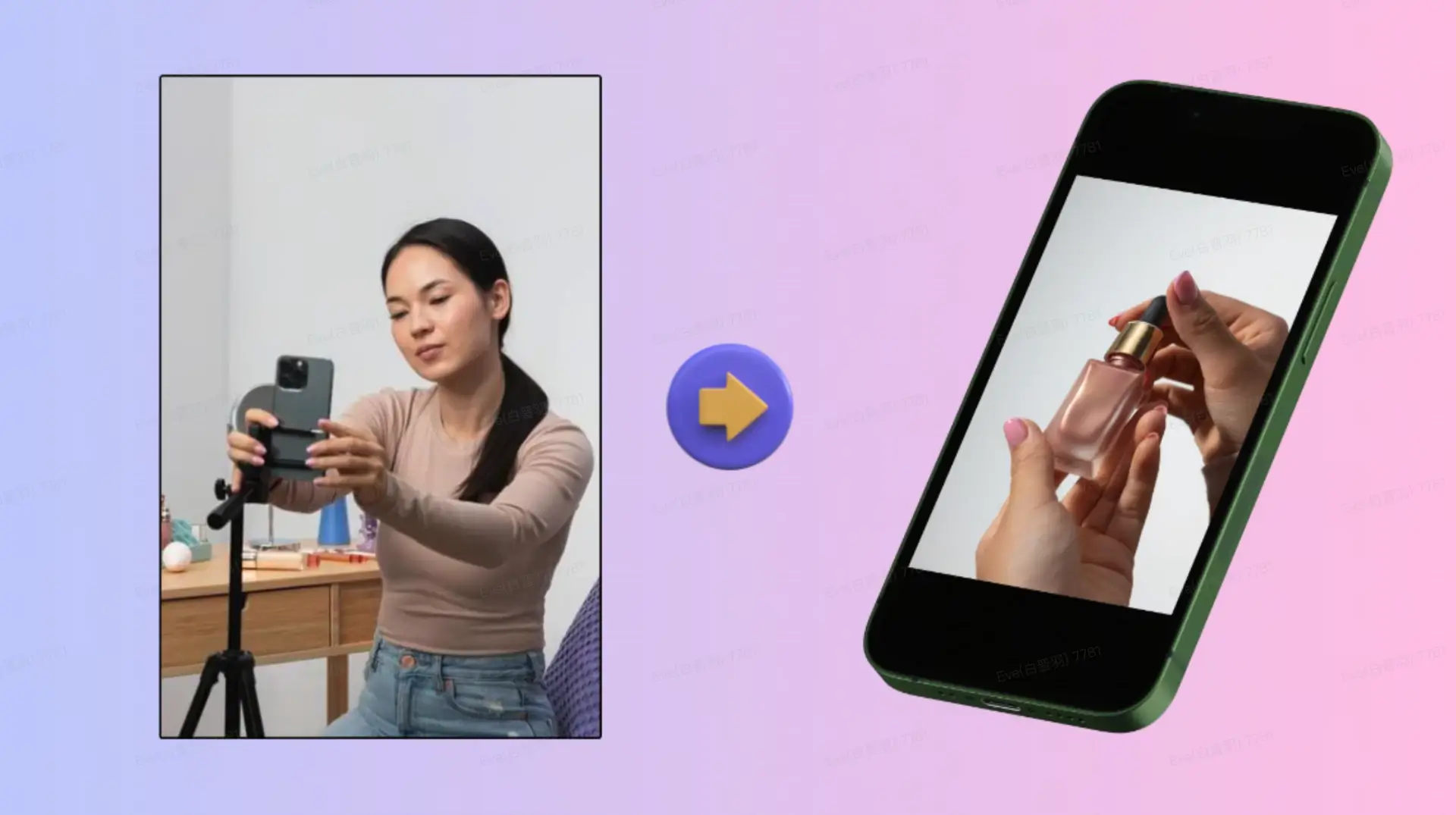
Instead of simply showing a product, creators can demonstrate how it works, explain what they like about it, answer common questions and show the product in a real-life setting.
That kind of content helps reduce uncertainty.
For many consumers, seeing how a product actually fits into someone’s routine can be more persuasive than a highly polished campaign.
It is especially effective in categories where people want reassurance before buying, such as beauty, wellness, fitness, fashion, home products and travel.

Niche audiences often have stronger intent
Large creators can be excellent for awareness.
But their audiences are often broad.
A creator with millions of followers may reach people interested in fashion, travel, entertainment, beauty and lifestyle all at once. That is valuable when the objective is scale, but not every viewer is equally relevant to the product.
Niche creators work differently.
Their audiences usually follow them for a more specific reason.
Someone following a curly-hair creator is already interested in haircare. Someone following a running creator is more likely to care about training gear, recovery products or sports nutrition.
The audience may be smaller, but the relevance is often much higher.
And in performance marketing, relevance can matter more than raw reach.
Trust shows up in the details
One of the most useful places to evaluate a creator is often the comment section.
Are people asking genuine questions?
Do they ask the creator for recommendations?
Does the creator respond thoughtfully?
Do sponsored products fit naturally into the rest of their content?
These signals are harder to summarize in a single metric, but they can say a lot about how much influence the creator actually has.
A creator with 30,000 highly engaged followers who trust their recommendations may generate more meaningful action than someone with 500,000 followers who receives passive views.
That is why engagement quality, audience relevance and content fit should be considered alongside follower count.

Better content can also travel further
UGC creators offer another advantage: the content itself can often be valuable beyond the creator’s own audience.
Strong UGC can be reused across paid social, product pages, email campaigns and retargeting.
This means a creator partnership can generate value in two ways:
the creator can influence their own community, and the content can become a performance asset for the brand.
For brands, this changes the question from:
“Who has the biggest audience?”
to:
“Who can create the most credible content for the right audience?”
Large creators still have an important role, especially when reach and awareness are priorities.
But when the objective is conversion, niche UGC creators can often offer something more valuable: stronger relevance, more authentic product integration and an audience that is already interested in the problem the product solves.
The best creator is not always the one with the most followers.
It is often the one whose recommendation makes the most sense.